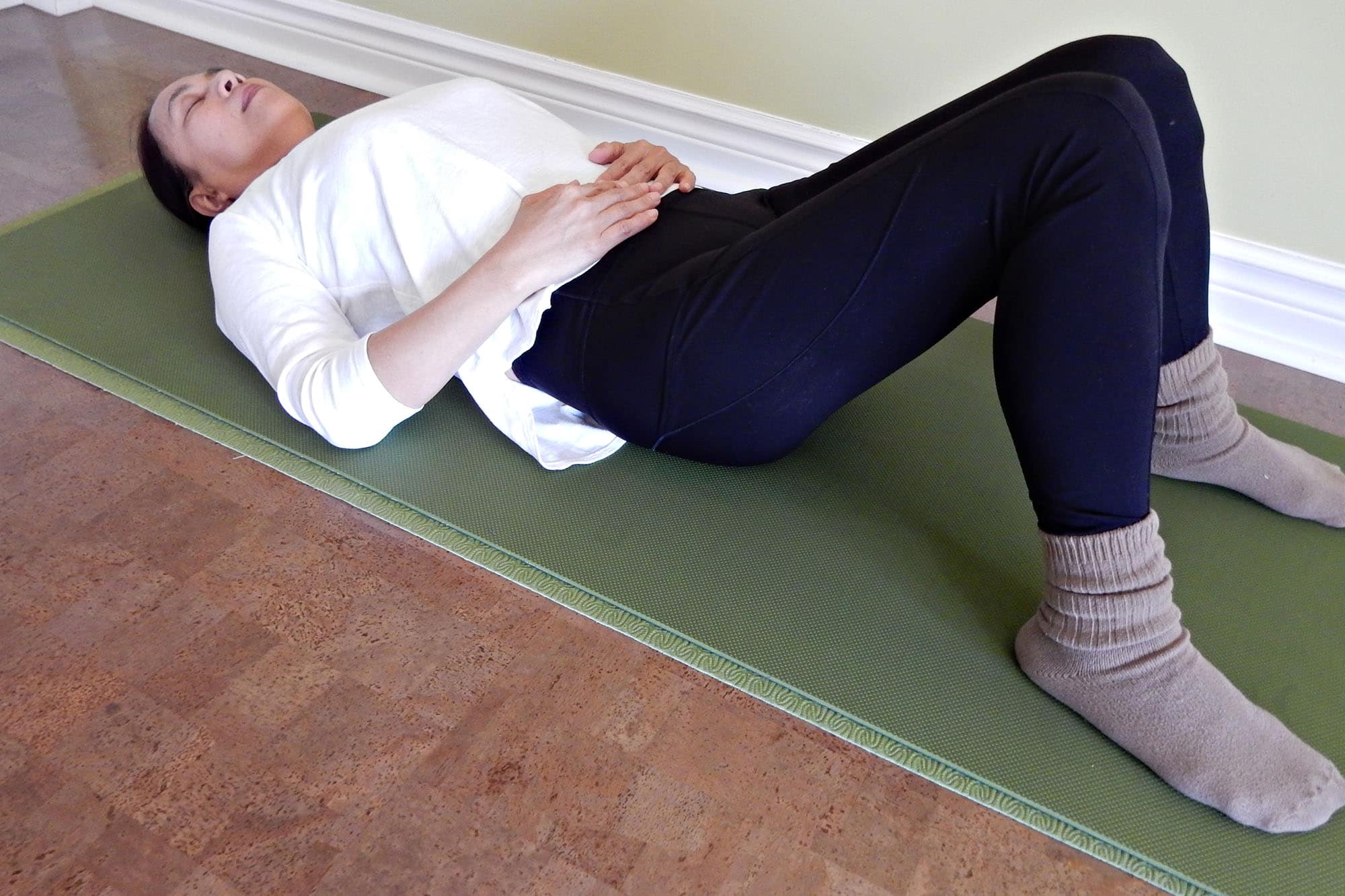
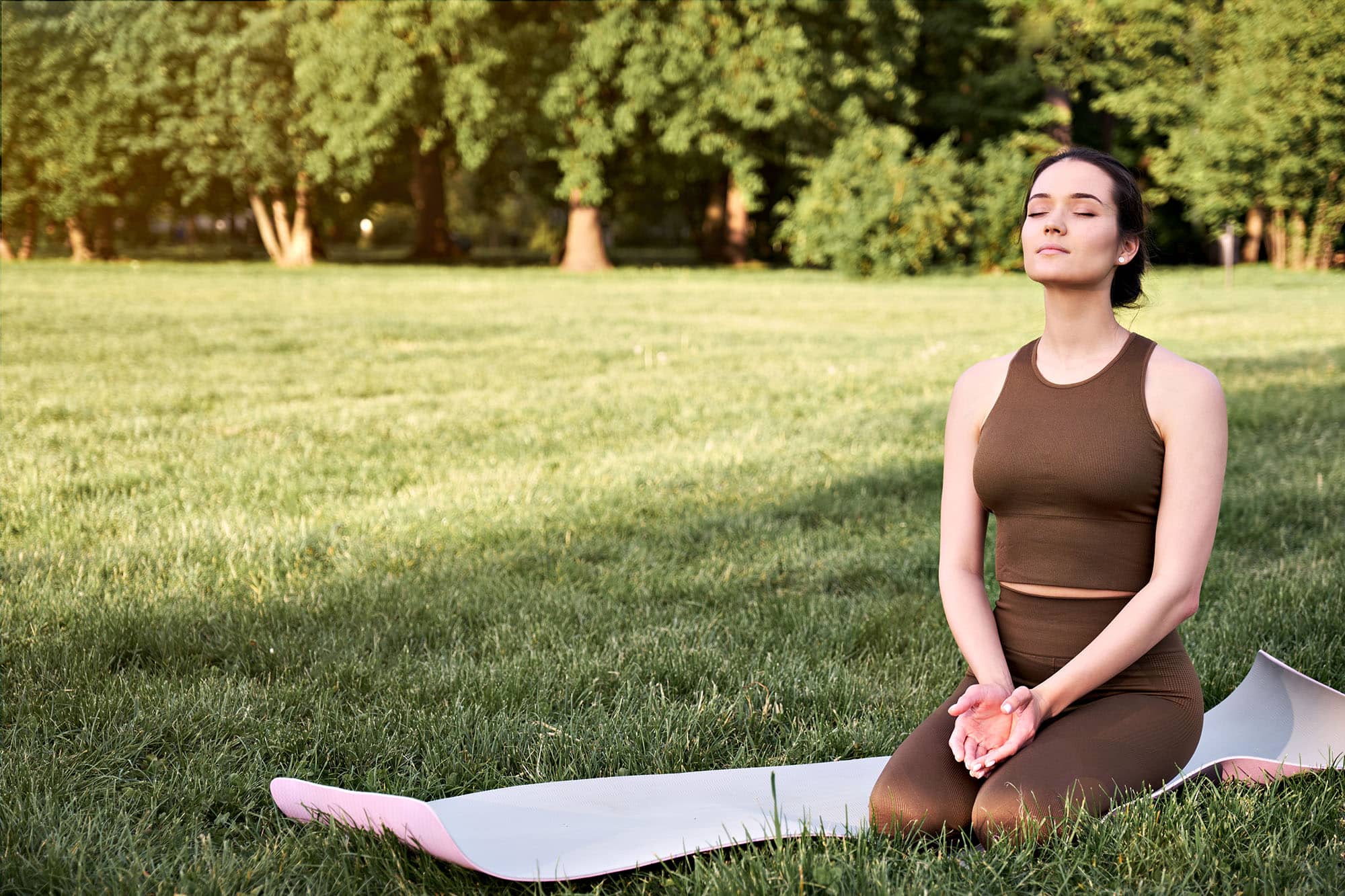
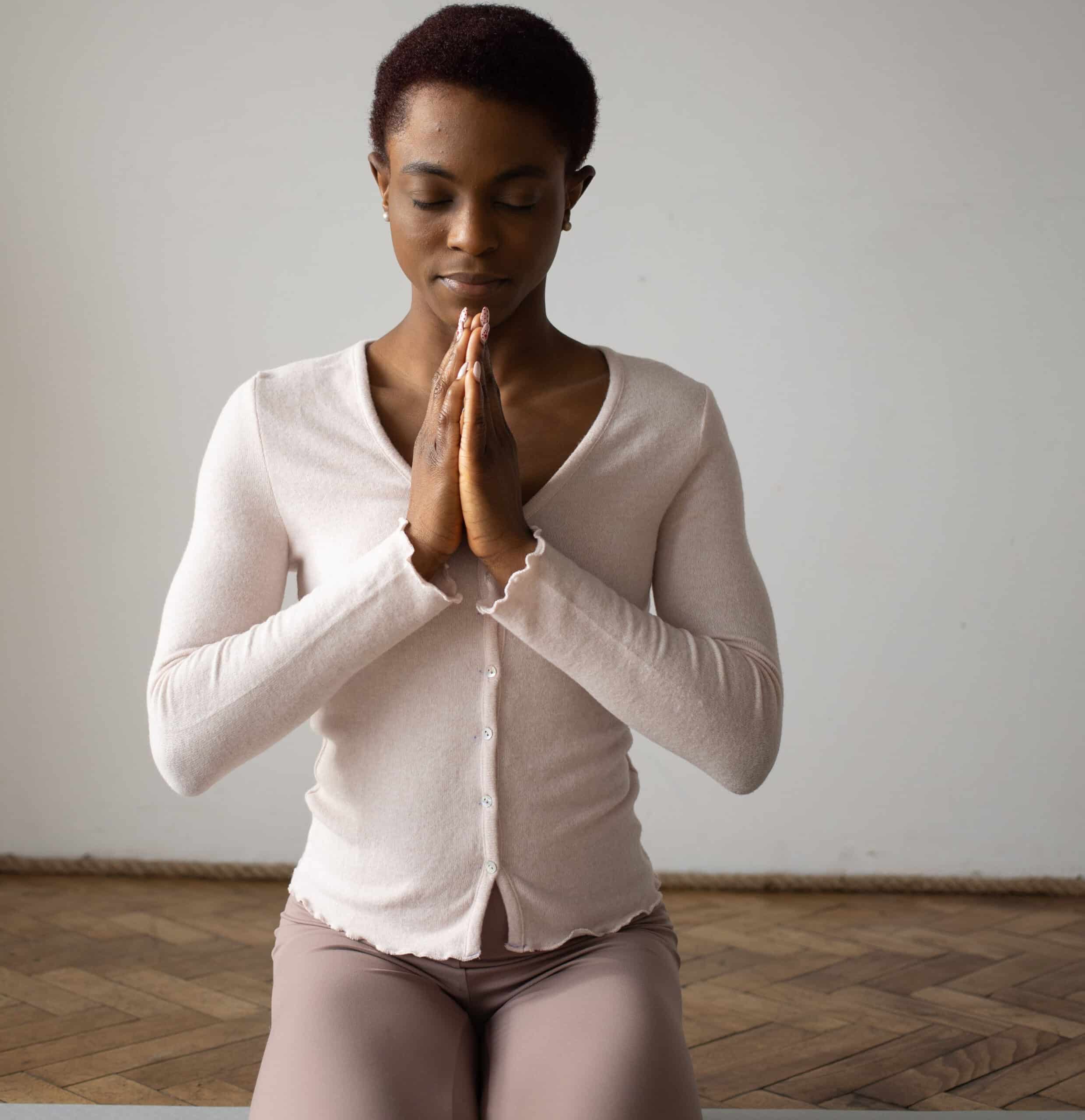
Meditation training and practice is offered one on one and in small groups at the Golden Devi studio and in larger groups at participating facilities and scheduled events/retreats.
Shamatha is basic sitting meditation sometimes called calm/abiding practice. Students will explore finding the right sitting position for their practice whether on a cushion, bench or chair. We will work initially with breath as the “object of meditation”. Students will then work with other objects of meditation such as sound. The goal is to learn to rest the mind as well as to develop the ability to sit for longer periods of time. This training is ideal for students that wish to develop a short daily practice that they can use in most circumstances in life.
In the Bodhicitta (awakened heart) practices, students will learn meditation techniques aimed at opening the heart and developing compassion for self and others. The practices of Maitri (loving kindness) and Tonglen (receiving and sending) will be the main focus. There will be also be time for exploration and discussion of the fundamental teachings on Bodhicitta.
Introduction to Tibetan Buddhist Sadhana Practice
The word “sadhana” in Sanskrit means daily practice or daily discipline. Sadhana is a basic structured daily practice found in the Hindu, Buddhist and Jain traditions.
For students interested in delving deeper into the Tibetan Buddhist meditation tradition, these classes will introduce Tibetan Buddhist sadhana practice. Students will explore techniques such as visualization and mantra recitation. We will consider the purpose and benefit of “deity yoga”, self-visualization as a deity to invoke their qualities in ourselves.
Completion of the above Shamata course or equivalent training/experience is a prerequisite for attending this course.