Finding Your “Seat”

Finding Your "Seat"
Keys to Establishing a Sustainable Sitting Meditation Posture
One of the most influential factors in establishing an ongoing sitting meditation practice is finding the posture that is right for your body and your practice. Some people look at photos of Indian yogis or very loose-limbed westerners sitting in full lotus position and decide right off that meditation is not for them as their body could not accomplish that posture (at least not without pain or injury). Even long-term practitioners who could once sit in lotus often have to change their sitting arrangements to account for changes in their bodies.
In this short discussion, I want to highlight the key features of a sitting meditation posture that allows a free flow of physical and subtle energy. Some might ask “if meditation is a mental discipline, then why be so worried about body posture?” I have been trained in and practice “Somatic” meditation, that is meditation that is fully embodied. The body is the path in. I will draw heavily on the teachings of Will Johnson (author of The Posture of Meditation and Reginald Ray PhD author of Touching Enlightenment who was my teacher for 12 years).
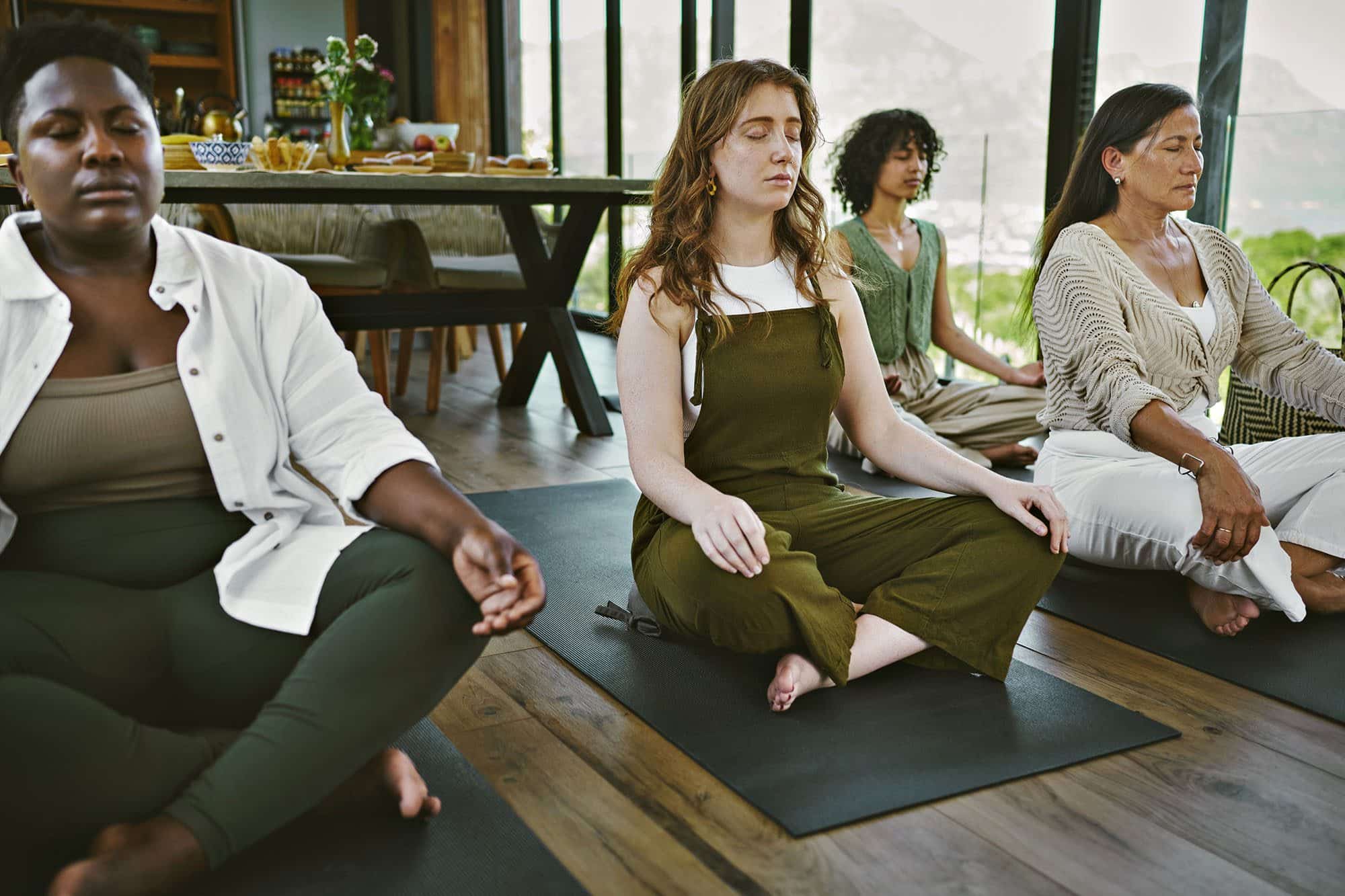
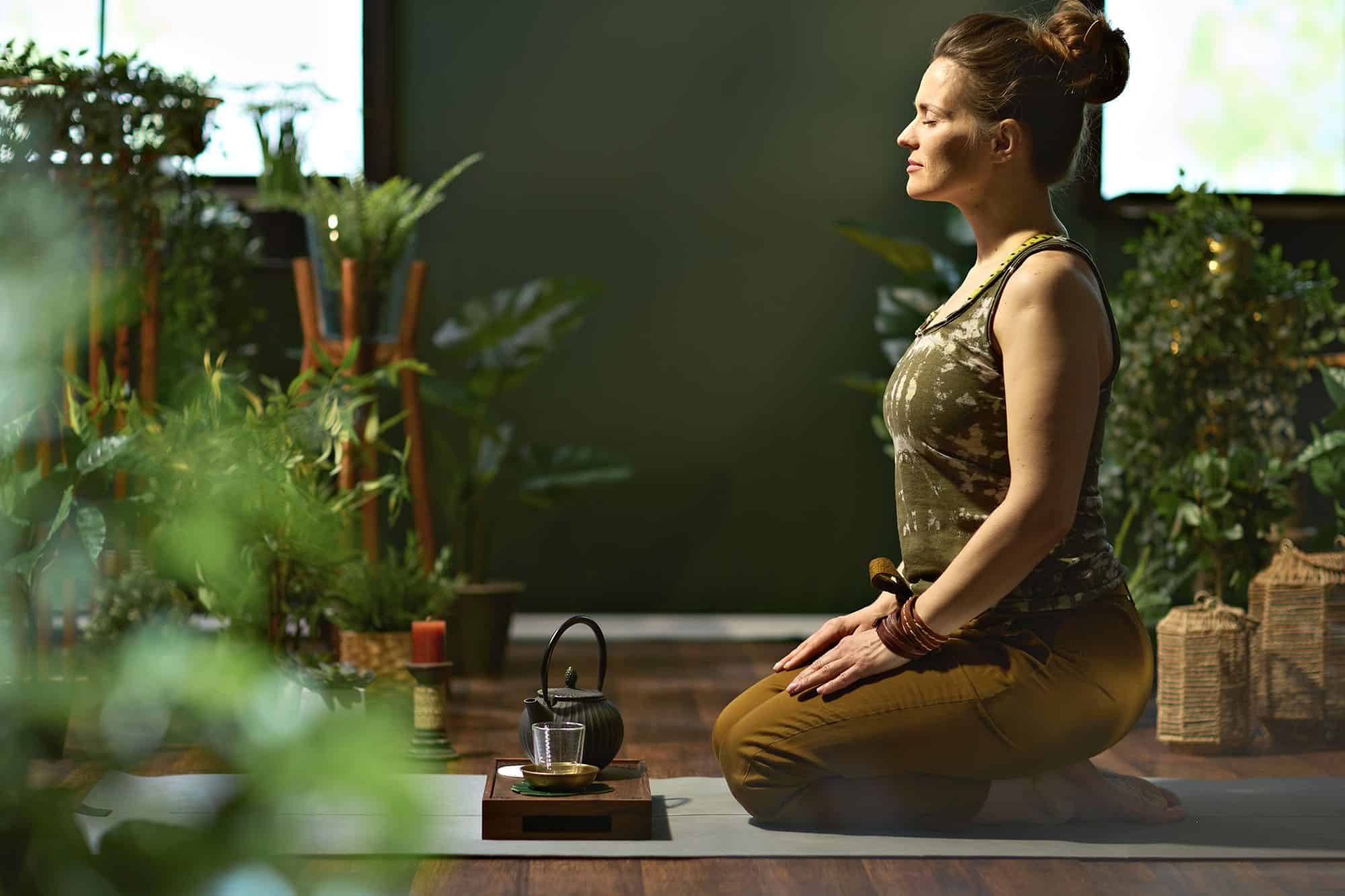
I’d like to consider three basic meditation seat set ups: sitting on a cushion(s) on the floor, sitting on a stool or bench close to the floor and sitting on a conventional chair. In each case, the principles of a correct meditation posture can be applied. Almost all meditation teachers place “alignment” as the first principle. By alignment we mean: the spine erects in its natural curves, the pelvis level (not tilted forward or back), the shoulder girdle level and the upper chest open, the head balanced on the top of the spine with the chin slightly tucked in. In the three set ups referred to above it is easily possible to adhere to these principles if the practitioner has chosen the right style of seat for her/his body. The two most common mistakes new meditators make is to sit cross legged on floor with no cushion or a flat cushion. For most westerners this results in the knees being elevated above the hips, the lower spine flexed with the pelvis tilting backward and the upper body pulling forward to compensate. The other mistake is somewhat opposite; the meditator sits leaning back in a soft stuffed chair which usually results in the spine being deeply flexed and the upper torso collapsed. It may feel comfortable, but the flow of physical and subtle energies will be hindered.
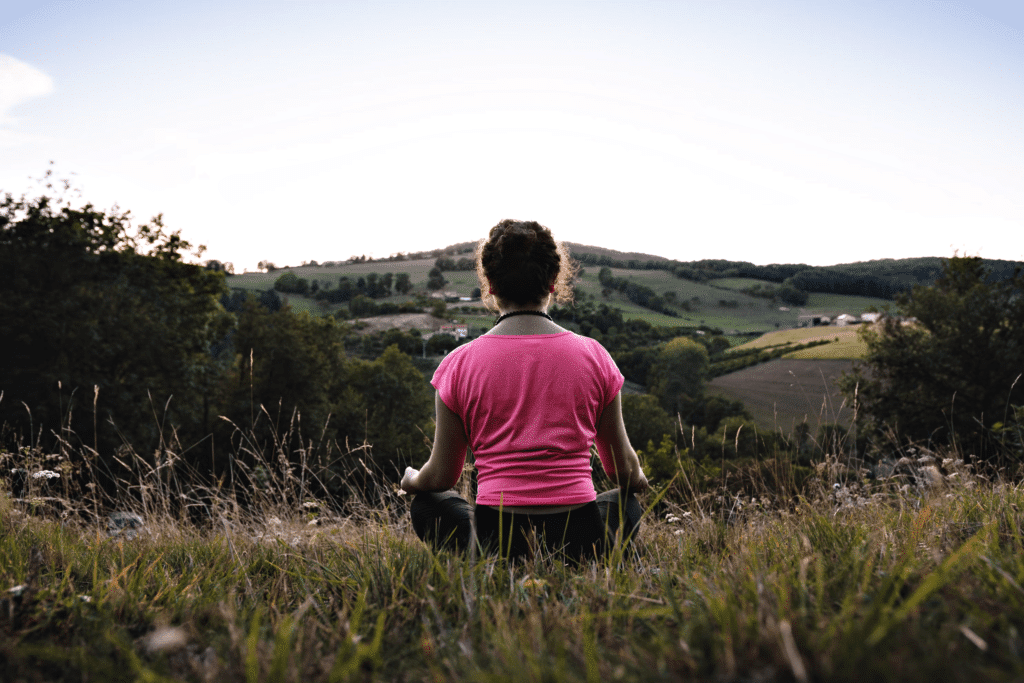
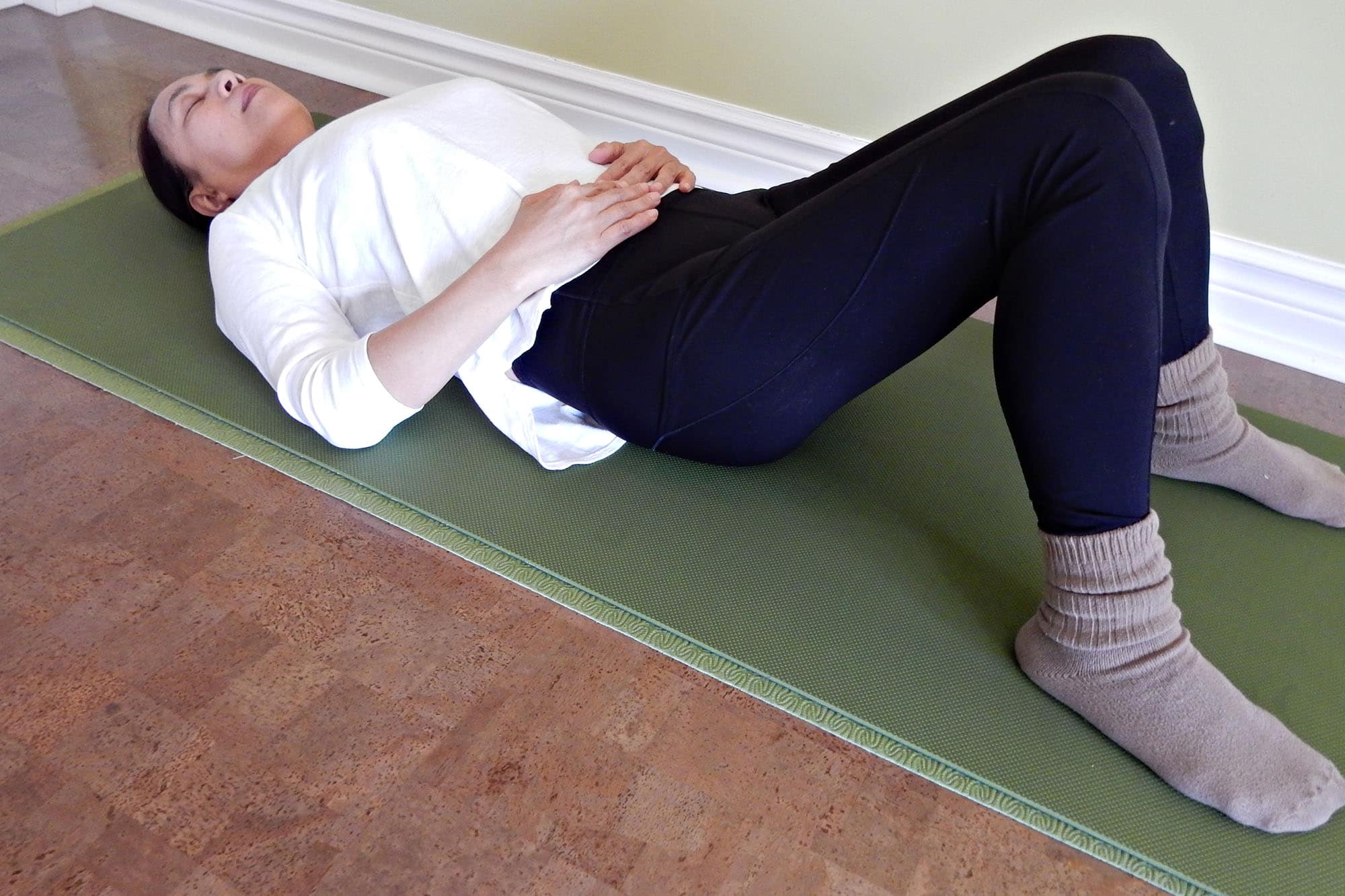
The second principle is relaxation. Reggie Ray taught that without relaxation there can be no meditation. He developed his whole system of “Meditating with The Body” based on accessing a deep state of natural relaxation and openness. Physically, we want a seating set up that requires minimum muscle activation and tension. A prime example is the principle of having the knees positioned lower than the hips. The reason for this is that when the knees are higher, the psoas muscle has to work to keep the pelvis upright. The psoas being active automatically signals the nervous system to be in some degree of fight, flight, freeze mode (sympathetic nervous system). For meditation, we want, as much as possible, to be accessing rest and digest mode (parasympathetic nervous system). Other common areas of tension that the practitioner should be aware of are the shoulders, upper back and chest and the neck. Shoulders are often habitually elevated and forward, chest slightly collapsed. The chin is frequently raised and forward creating tension in the jaw and back of the neck.
The third principle, that may be less obvious, is what Johnson calls “resilience”. What he is referring to is a state that is the opposite of immobility or rigidity. He points out that the body is in constant motion even when apparently relatively still. There are the internal movements of blood and digestion and both internal and external movements that are caused by the breath. He notes that even our cells are in constant motion. As we practice, our ability to sense and release to these waves of subtle motion and energy increases. This releasing in turn helps quiet the chatter of the mind. We begin to be able to let the waves of thoughts go without pursuing them.
This brief discussion is not intended to offer complete instruction on finding the ideal mediation seat. At Golden Devi in both the Deep Relaxation and Breath Work course and the Shamata Meditation course, students are introduced to and encouraged to try different meditation seating arrangements. Please also feel free to submit questions by email at info@goldendevi.ca.

Please sign up for our newsletter to keep up with Golden Devi. We promise that we will not overrun your inbox and we never sell your information.