The Joy of Retreat

Having recently returned from sixteen days of group retreat with my teachers and fellow sangha members at Tara Mandala in Colorado, I am moved to encourage others to enjoy a spiritual retreat. Why bother travelling to a specific site to be with teachers and fellow travellers on the Path? The benefits are many. I’ll describe the benefits of group retreat first and then discuss the approach to solitary retreat and its fruits as a second topic.
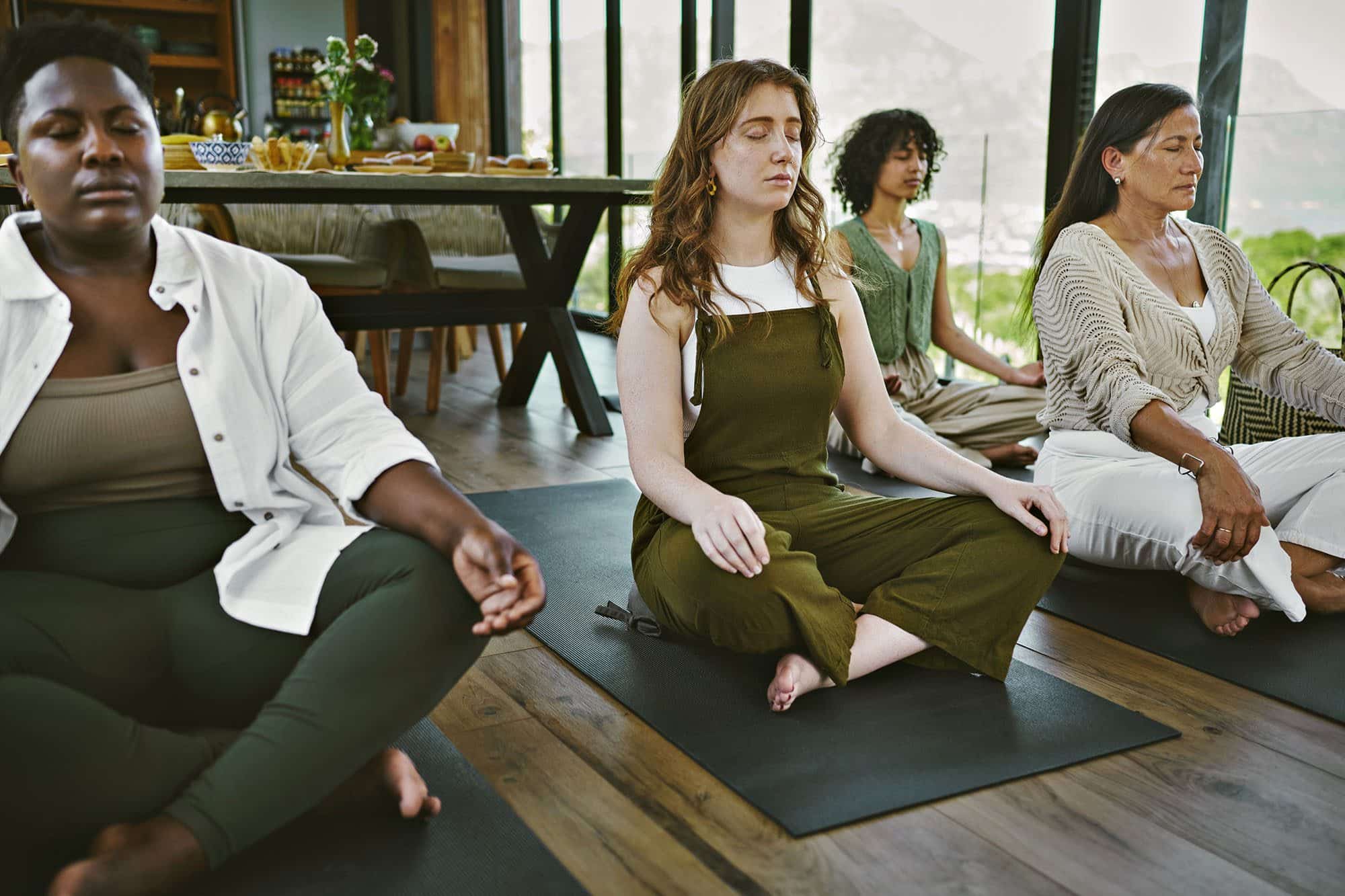
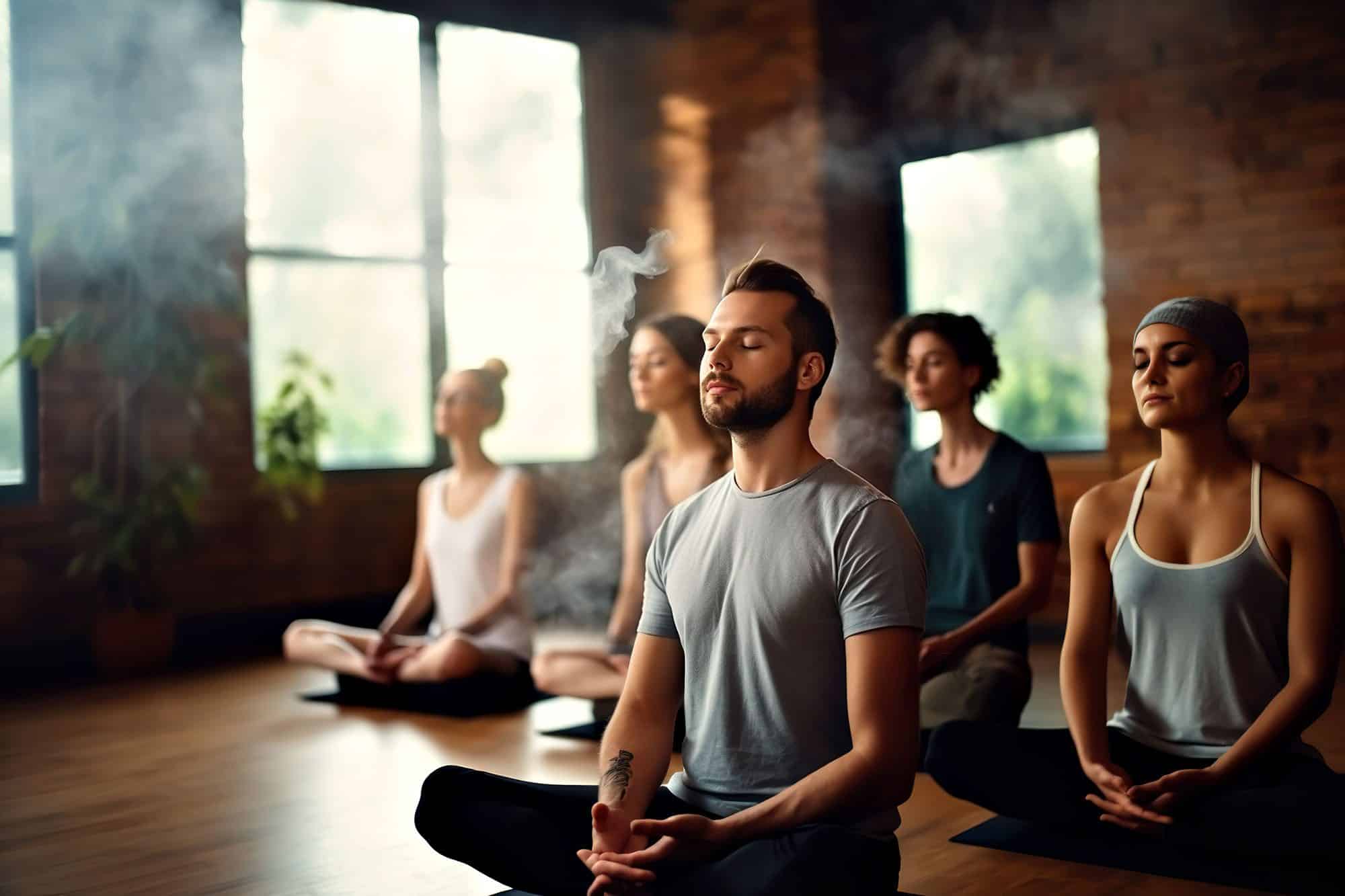
I would venture that the main benefit of group retreat is to be with and practice with like-minded students of the Dharma and meditation. As we know from attending gatherings like concerts or political rallies, there is an energy that runs through the group igniting a force that would not be present with one or two solitary participants. Enthusiasm for sitting on my cushion may be low as I drag myself out of bed and walk up the hill to the temple for 6am practice. However, having found my seat in the temple and silently acknowledged the presence of my fellow practitioners, I begin to focus and plug into the “net” of energy in the group. As we begin to chant, it is almost like “I” don’t have to do anything. The chanting carries itself. Similarly, when we enter periods of silent meditation, the blanket of stillness over the group makes it easier for me to relax my busy mind and just rest.
The second major benefit of group retreat is the opportunity to be with and receive teachings directly from one of our teachers. We may study texts and commentaries, but nothing makes the teachings and practices come alive like hearing the words of our teacher. The Tibetan Buddhist tradition, like many traditions, deeply honors the power of the spoken word. In fact, it is required for most practices, that the student receive the “lung” (spoken transmission) for the text in order to practice it on her/his own. “Lung” is the Tibetan word for subtle energy, similar to “prana” in Sanskrit.
A typical group retreat day might look like this*:
Before breakfast: Early morning practice (usually around one hour)
Breakfast**
Teaching period: Two to three hours of teaching (this may include practice if a new practice is being introduced)
Lunch period
Teaching period: Two to three hours of teaching/practice
Supper period
Evening practice: Usually around one hour
*Group retreats often include periods of silence to allow participants to settle and go deeper. I have been on retreats where silence is mandatory for the whole retreat and others where a period of the day is conducted in silence e.g. After supper till the morning teaching period.
**It is common for participants to be asked to contribute some service during the day such as dishes after meals or cleaning of common areas of the residence etc.
And finally, an additional benefit of group retreat is the opportunity to make friends with people who share our values and are following a similar path. While we likely have a respected teacher/advisor regarding our practice, it can be a great support to have some one to talk with informally who may have experiences and challenges much like ours. It’s nice if the person is geographically close to where we live but I have had some thriving sangha friendships on Zoom with people on another continent or the opposite side of the globe.
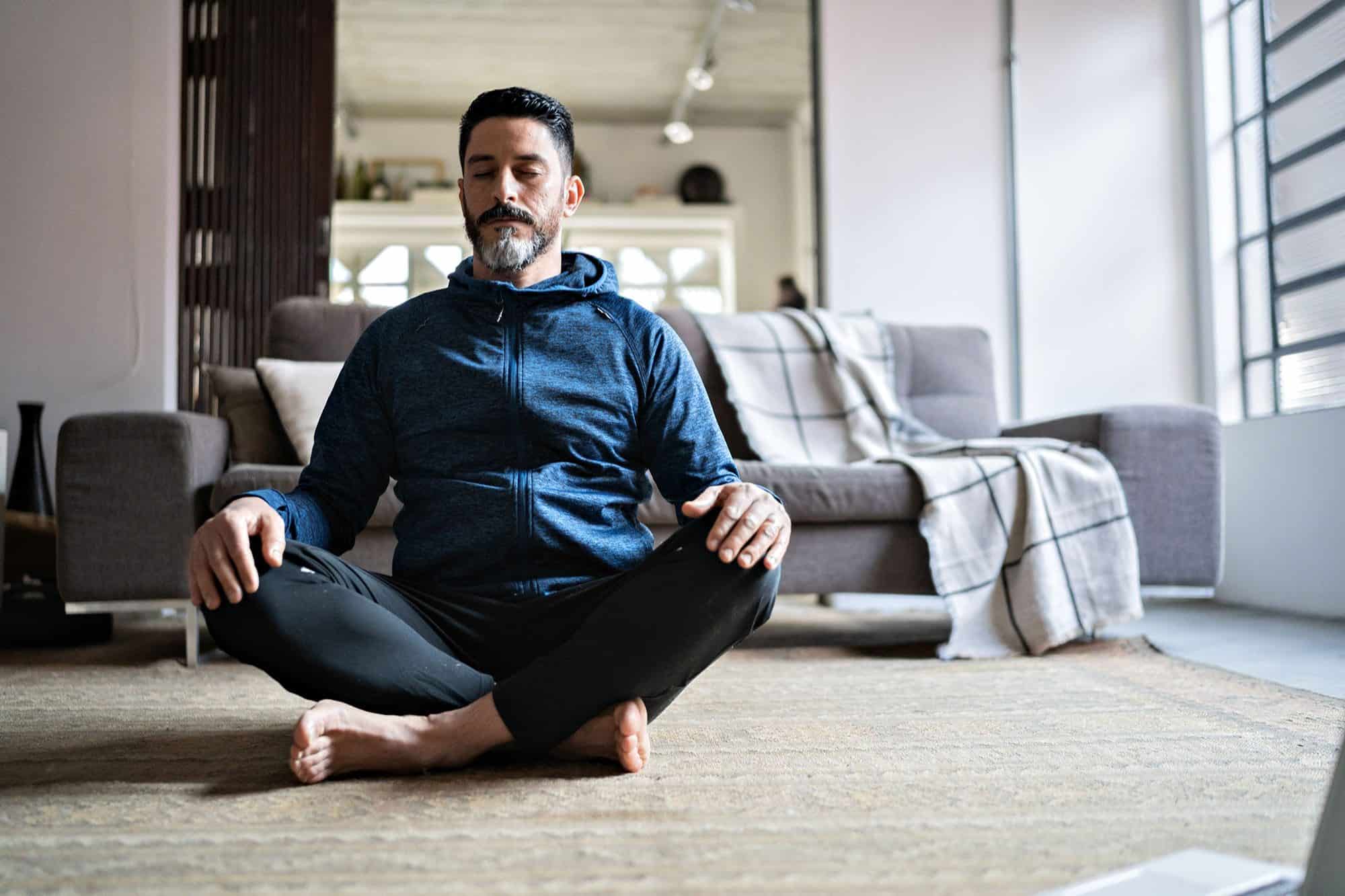
Solitary retreat is a highly valued practice in the Tibetan Buddhist tradition. Among serious practitioners it was a common to do a three-year solitary retreat before going on to more advanced practices. For most of we householders, putting our daily commitments aside for three years is not very affordable or practical. In the tradition that I follow, we are advised to do at least three weeks of solitary retreat a year, ideally for a continuous twenty-one days. However, it is also permissible to break the time into one fourteen day and one seven-day retreat or three seven-day retreats.
There are some important guidelines for those who are embarking on a solitary retreat for the first time. Firstly, it is critical to have an experienced teacher or advisor who can review your retreat plan and give practical advice on how to use your retreat time. If you are unaccustomed to being alone, it may be advisable to do one or two shorter solitary retreats, such as a long weekend retreat of three days. The place you choose for your retreat is also important. Ideally it is a separate cottage or cabin where you can have everything you need in terms of food and water and a source of heat in the colder months. It is highly desirable to be in nature away from the distractions of traffic noise and electronic media. Various retreat facilities offer retreat cabins for rent and some also offer the service of providing food and water on a regular basis. Ask your teacher or advisor for recommendations regarding a suitable place.
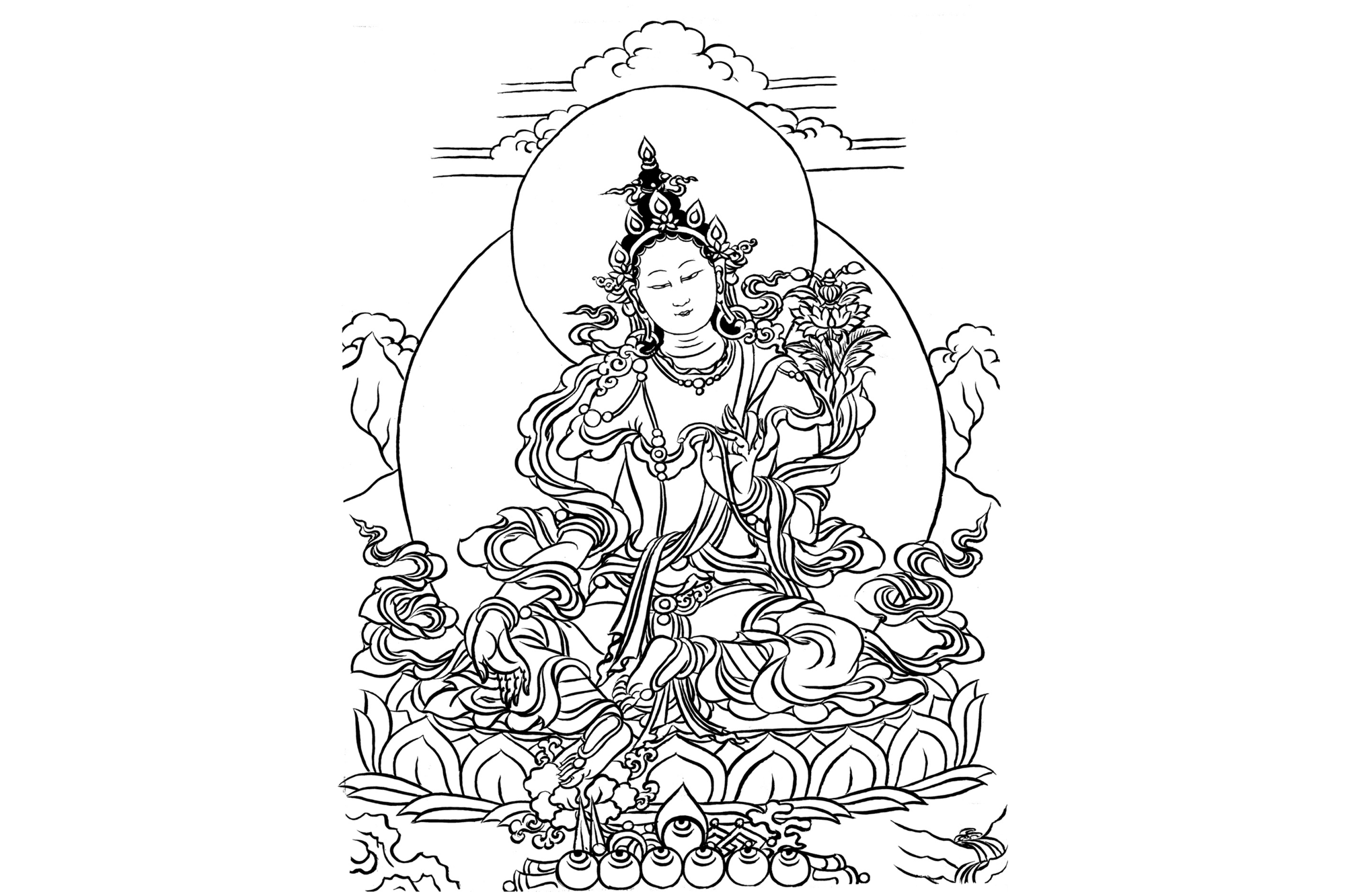
How you plan and structure your retreat time can determine the quality of your retreat experience. In my tradition, we are advised to pick a particular practice to focus on for the duration of the retreat. For example, last November I did a seven-day Green Tara retreat. I did a basic sitting practice first thing in the morning and then four sessions of Green Tara practice a day with a break between each session. During the breaks, I had tea and/or food, went for a walk, wrote in my journal or read an inspiring book. It is definitely critical to keep distractions to minimum. Let people know your will be offline for the retreat period. Turn off your phone (except to make a touch base call with family or your advisor). Don’t bring your laptop or tablet, it’s way too tempting to “just check” on email or news.
In summary, group retreat and solitary retreat both offer great benefit for the meditation practitioner albeit in different ways. Group retreat offers the energy, support and companionship of others sitting together and doing the same practices. Solitary retreat allows the practitioner to go deeper into a particular practice as well as providing opportunity for rest and reflection. For those interested in sampling a one-day meditation retreat, I will be offering one day retreats at Golden Devi one Sunday a month starting the last Sunday in September. Watch for announcements regarding retreat days coming soon!

Please sign up for our newsletter to keep up with Golden Devi. We promise that we will not overrun your inbox and we never sell your information.